
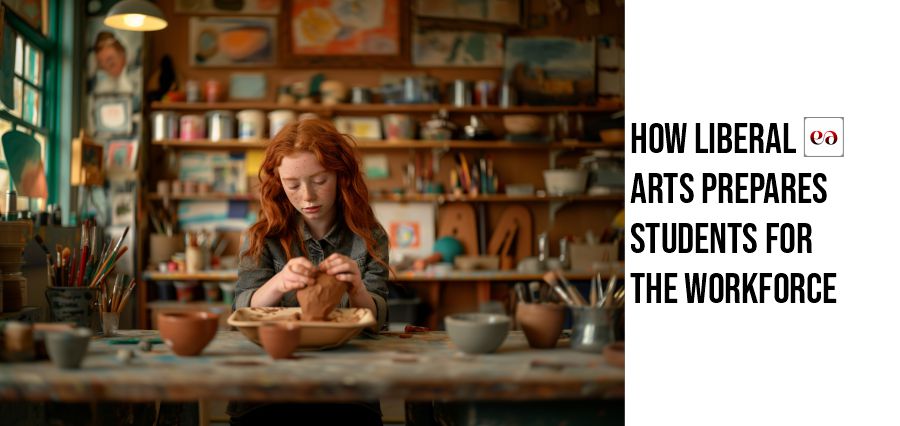
Many employers say they want graduates who think clearly, solve unfamiliar problems, and work well with people across departments. A liberal arts education builds that foundation by stretching students across history, philosophy, literature, social sciences, and the arts. In doing so, it nurtures transferable skills that move easily from one job to another. Graduates step into professional roles with stronger context about people, cultures, systems, and consequences. That perspective matters when decisions carry risk.
Modern workplaces face ambiguous problems. Data is incomplete. Prior solutions no longer fit. Liberal arts courses train students to analyze arguments, weigh evidence, question assumptions, and follow logic to its conclusion. Students practice critical thinking every week, not only during exams. Over time, they become comfortable asking better questions, identifying patterns, and mapping tradeoffs. Employers value that mindset because it supports resilient decision making in fast moving environments.
Every role depends on communication. Liberal arts graduates spend years writing, revising, listening, and presenting. They learn to translate complex ideas into clear language for different audiences. They observe how tone, structure, and context shape meaning. The result is confidence with email briefings, reports, and meetings. Strong communication shortens project timelines, prevents confusion, and builds trust. Teams notice when communication works.
Few careers follow a straight path anymore. Roles evolve. Technology changes. Liberal arts programs encourage curiosity across subjects, which cultivates adaptability. Students grow comfortable entering new knowledge areas and learning from scratch. That habit becomes powerful when job descriptions shift. Instead of resisting change, these graduates approach it as another learning challenge. Managers recognize that attitude as future leadership potential.
Work rarely happens in isolation. Liberal arts classrooms often pair group discussion with collaborative projects. Students negotiate roles, reconcile disagreements, and integrate diverse viewpoints into a final product. Those experiences mirror cross functional work. People who can listen carefully, synthesize varied input, and help groups move toward shared outcomes improve morale and performance. Effective collaboration is not accidental. It is practiced.
Organizations operate within communities, laws, and societal expectations. Liberal arts programs explore ethics, justice, and the impact of power. Students examine case studies where choices shape real lives. This exposure strengthens moral reasoning and empathy. When graduates join companies, they are better prepared to ask responsible questions about outcomes, fairness, and long term effects. That habit helps reduce risk and supports sustainable reputations.
Liberal arts education is not isolated from the workplace. Many institutions connect classroom learning to internships, service learning, research, and community partnerships. Students apply theory to real scenarios, reflect on outcomes, and adjust their approach. These experiences help graduates articulate their skills to employers. They can point to specific projects that required problem solving, teamwork, and initiative. That narrative matters during hiring.
Another misconception says liberal arts and technology do not mix. The reality is different. Many programs integrate data literacy, research design, coding basics, and digital storytelling alongside traditional subjects. Students learn to interpret dashboards, evaluate sources, and understand where numbers can mislead. Paired with context from humanities and social sciences, this produces professionals who see both data and meaning. Employers seek that balance.
Entry level hiring often focuses on tools and technical tasks. Over time, organizations reward people who manage complexity, mentor teams, and communicate strategy. Liberal arts alumni tend to advance because their skill set grows with responsibility. They can bridge departments, negotiate priorities, and adapt to new challenges. Their value becomes more visible as roles move from task execution to leadership. Long term career trajectories often reflect this advantage.
Students can take active steps while in school. Pair liberal arts majors with minors or certificates that add practical depth. Seek internships early. Keep a portfolio of writing samples, research summaries, and project descriptions. Practice networking and informational interviews. Reflect on each class and identify the skill gained. When students explain how analysis, communication, or adaptability connects to employer needs, hiring managers listen.
Colleges can align courses with real world readiness without losing mission. Clear learning outcomes, stronger career services partnerships, alumni mentorship networks, and project based learning all help. Embedding resume workshops, mock interviews, and digital literacy into the curriculum strengthens student confidence. When institutions highlight the direct pathway from classroom skills to workplace outcomes, perceptions shift. Employers respond to clarity.
Liberal arts education prepares students for work not by narrowing options, but by expanding capacity. The combination of critical thinking, communication, adaptability, collaboration, ethics, and data awareness produces graduates who can thrive in many fields. Technology will continue to evolve. Markets will change. People who learn how to learn, understand systems, and communicate with purpose will stay relevant. Liberal arts builds that kind of professional.



Welcome to the future of digital storytelling, where creativity meets innovation. We’re not just a magazine platform; we’re a team of passionate visionaries committed to transforming how stories are shared, celebrated, and experienced in the digital age. Join us as we inspire, inform, and redefine the world of digital magazines.
© Copyright 2025 | educationeureka | All Rights Reserved.