
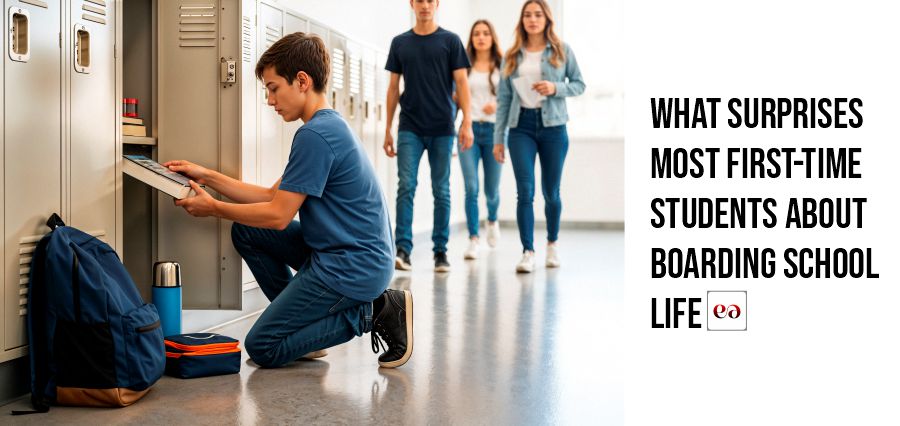
Many students arrive at boarding school with a set of tidy expectations: strict schedules, tough academics, and a handful of stern housemasters. The reality is both simpler and more complicated. This article explains the common surprises first-time boarders report, from everyday routines to long-term effects, and cites research and credible sources so parents and students can make informed decisions.
One of the earliest surprises is how much daily structure shapes life. Boarding schools run on scheduled meals, study periods, lights-out times, and weekend activities. For many students this structure becomes less a restriction and more a framework that frees time for focused study and extracurriculars. Research comparing boarding and day students found boarding environments often standardize study time and increase reported academic satisfaction.
Homesickness is common during the first weeks. It is intense for some and mild for others. What surprises students is not that they miss home, but how fast they adapt when routines, friendships, and small rituals fill the gaps. Practical coping strategies that work include setting regular contact times with family, bringing comfort items, and joining a club or sports team in the first week. First-person accounts from alumni consistently highlight that dorm mates and resident staff quickly become key emotional supports.
Students often say they expected friends, but not the depth and speed of connection. Shared rooms, shared meals, late-night study sessions, and collaborative chores create intense day-to-day intimacy. Those dorm friendships frequently last long after graduation, and many former boarders describe their housemates as a second family. Boarding schools deliberately cultivate community through mentorship, house systems, and communal activities.
Boarding schools tend to have smaller classes and extended study time. First-time students are often surprised by the expectation to manage homework and revision independently, but within a supportive supervision structure. Empirical studies show boarders report higher satisfaction with their academic experience and often benefit from consistent access to tutors, peers, and facilities. That does not mean every student will thrive automatically; boarding demands time management and self-motivation.
Living away from home forces practical independence. Students learn to budget time, manage laundry, and resolve roommate conflicts. Parents are often surprised by how quickly teens take on responsibilities they would not at home. Research on long-term outcomes suggests boarding can foster resilience and life skills. At the same time, outcomes vary by student and school, so support systems remain crucial.
Many first-time boarders assume boarding life is all rules and exams. The surprise is how much pastoral care is embedded in daily life: resident tutors, counsellors, and house staff focus on wellbeing, not only discipline. That care shows up as mentoring, routine check-ins, and organised social time. Families should ask specific questions about pastoral ratios, counselling availability, and safeguarding policies during visits. Recent reporting has reminded parents to ask about historical safeguarding and current protections because, while uncommon, serious abuses have occurred and must be prevented.
Boarding schools often attract students from multiple regions and countries. First-time boarders are surprised by the cultural mix and the informal lessons that come from living with peers from different backgrounds. This daily exposure boosts language skills, global awareness, and social adaptability. Note that international enrollment trends can change year to year, so prospective families should check current demographic patterns for the schools they consider.
Students sometimes underestimate how packed boarding timetables can be. Clubs, sports, rehearsals, study halls, and weekend fixtures create full weekends. The positive surprise is the opportunity: students can try many activities and develop high levels of competence. The negative surprise is the risk of overcommitment. Learning to say no and to prioritise rest is a critical early lesson.
Families assume boarding is an academic premium; many boarders discover it is also an investment in networks and opportunities. Studies show boarding school alumni often report strong preparation for higher education and career readiness. However, this is not universal. Outcomes depend on the school, the student, and the match between a family’s goals and the school’s strengths. Prospective families should review school outcome data, university placements, and alumni support programs.
Small details matter. Students often mention the surprising variability in room sizes, dorm privacy, food quality, and bathroom arrangements. These practical factors affect comfort and wellbeing every day. Visiting the dorms, eating in the dining hall at mealtimes, and meeting current students provides clear insight. Online photos rarely tell the whole story.
What surprises most first-time students is not one event; it is the pace of change. Boarding school accelerates independence, friendship, and responsibility. For many students that compression of experience is a positive advantage. For others it reveals areas that need support. The best decisions come from clear research, careful visits, and honest conversations about the student’s readiness. When match and support are right, boarding school can be a powerful chapter in a young person’s life.

Welcome to the future of digital storytelling, where creativity meets innovation. We’re not just a magazine platform; we’re a team of passionate visionaries committed to transforming how stories are shared, celebrated, and experienced in the digital age. Join us as we inspire, inform, and redefine the world of digital magazines.
© Copyright 2025 | educationeureka | All Rights Reserved.